Bob Crouse handles HardiePlank siding installation on Long Island with a clean, precise finish built to hold up to coastal weather. Fiber cement lap siding, flashed and fastened right, means less maintenance and fewer surprises behind the wall.
Siding is the house's first defense against wind-driven rain and salt air, which means proper installation matters more than the material itself. Every butt joint, corner and window opening has to be flashed and fastened correctly, or moisture finds its way behind the planks and causes damage that isn't visible until it's expensive. Out east, on homes in Southampton and the other South Fork villages, the ocean wind drives rain sideways into every gap, so the house wrap, the flashing at each joint and the clearance above the roofline and grade do the real work.
Bob Crouse has been installing siding across Suffolk County for over 40 years. Fiber cement is one of the exterior jobs in our full list of renovation services, and because the same crew handles roofing and window replacement, the drip edge, the window head flashing and the siding are tied together as one weather barrier instead of three separate trades guessing at each other's work. Trim around windows, doors and rooflines is matched so the finished exterior looks intentional, never patched together.
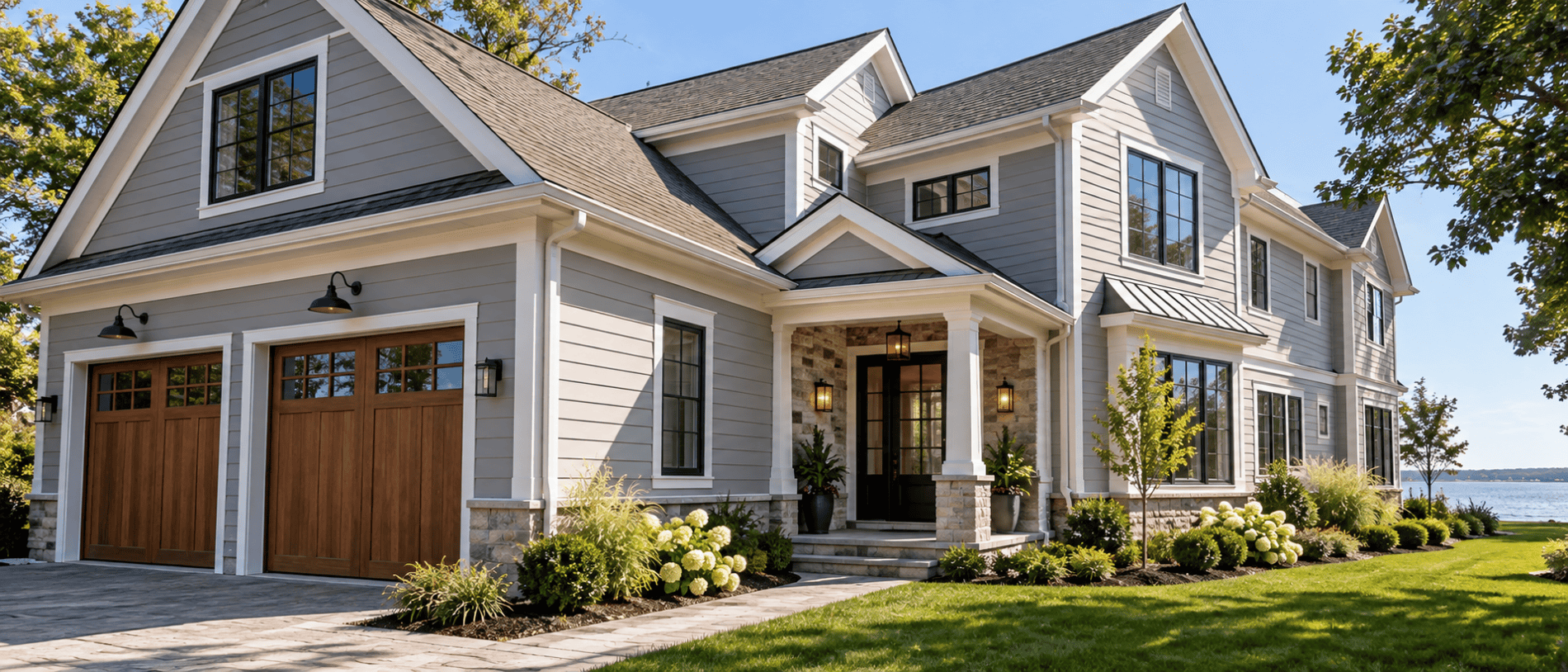
HardiePlank is James Hardie's fiber cement lap siding, a mix of cement, sand and cellulose fiber pressed into planks. Hardie siding holds up to Long Island's coastal climate in ways vinyl, wood and aluminum siding don't.
Non-combustible material, unlike vinyl siding which can melt or ignite under heat exposure.
Won't rot, warp, or attract termites the way untreated wood siding can over time.
Holds up to salt air, humidity, and wind-driven rain better than aluminum or vinyl alternatives.
Keeps its shape and color in direct sun and heat, where vinyl siding often warps or fades.
Takes and holds a paint finish far longer than wood siding, meaning fewer repaints over the years.
Stands up to hail, debris, and everyday impact better than aluminum or vinyl siding.
Fiber cement planks are heavy and rigid, so they have to be cut with dust control, nailed to the manufacturer's spacing and kept off the roof and the ground. Corner details and window flashing are what keep water out long after the siding looks finished.

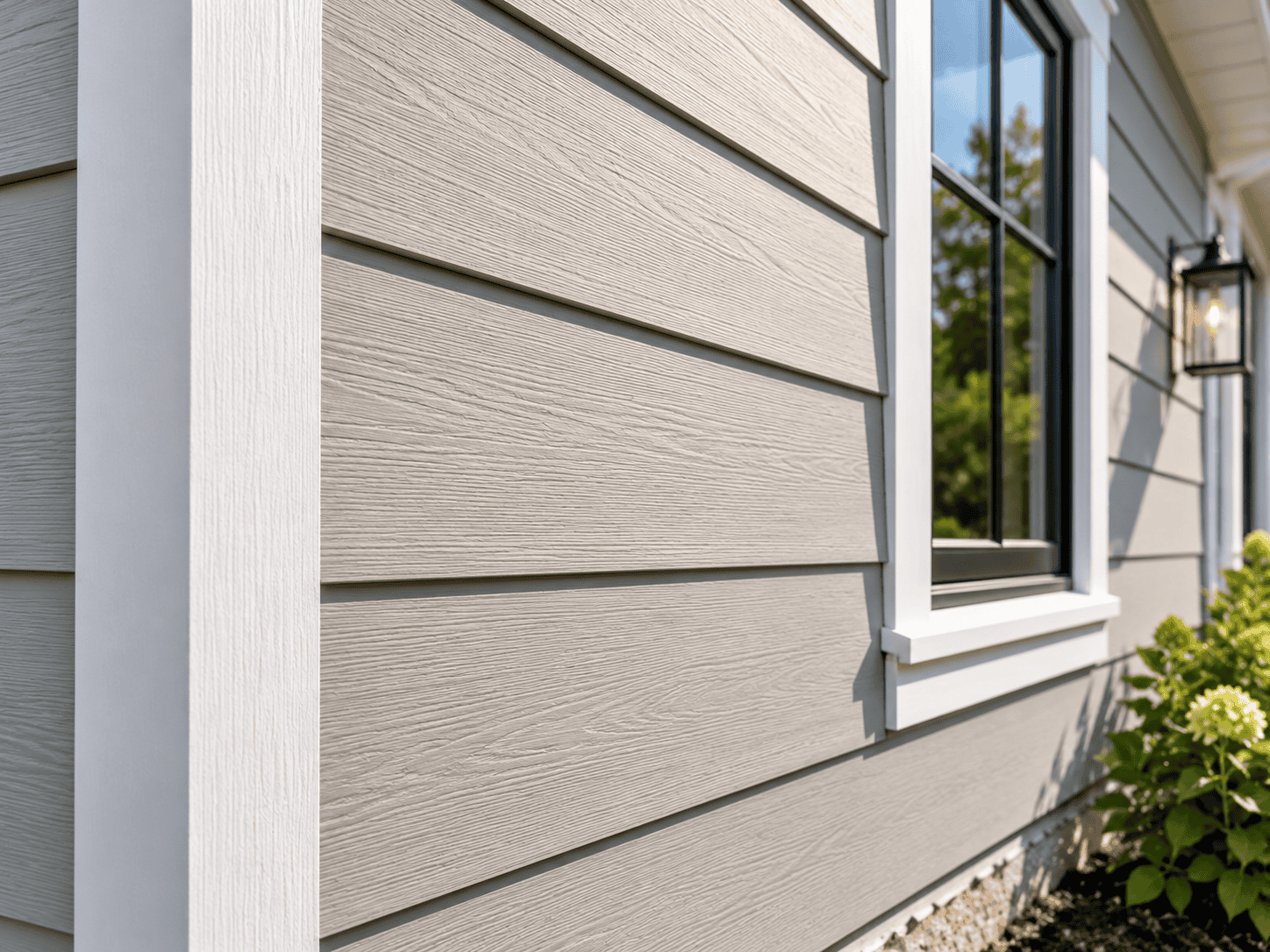
Siding that looks fine for a year and fails in five isn't a job done right. Bob brings over 40 years of construction experience to the flashing and fastening details that decide whether siding protects the home for decades, and he walks you through the material and the process before the first plank comes off the truck.
He has a knack for listening to an idea and absolutely blowing your mind with the level of craftsmanship. Bob Crouse Construction will always be the company I recommend.
The same process every time, so there are no surprises between the first conversation and the final walkthrough.
We check existing sheathing and moisture conditions before recommending a siding approach.
Material, color, and scope are explained and priced honestly before any work begins.
House wrap, flashing and fastening at every butt joint, corner and window opening.
The project isn't finished until the exterior looks and performs the way it should.
Not necessarily. We'll assess whether a full re-side or a targeted section makes more sense based on the condition of your existing siding.
Sheathing is inspected once the old siding comes off, and any repairs needed are addressed before new siding goes on.
Timelines depend on the size of the home and scope of the project. Bob will walk you through a realistic timeline before work begins.
Yes. Trim details around windows, doors, and rooflines are finished to match the rest of the home.
Yes, we handle siding installation across Long Island's Suffolk County, in every township from Islip to the Hamptons and the North Fork. Check the Service Areas page or give us a call.
Call directly, or tell us about your project below and Bob will follow up personally.

Over 40 years of master carpentry and home renovations across Long Island, from Islip to the Hamptons and the North Fork.